As businesses look for practical ways to manage operating costs and improve sustainability, reconditioned pallets are becoming an important consideration across Australia’s warehousing, manufacturing and logistics industries.
Pallets play a vital role in everyday business operations, from storing inventory and transporting goods to managing warehouse distribution. However, purchasing brand-new pallets for every requirement can increase procurement expenses, particularly for businesses that depend on large pallet quantities.
This is where reconditioned pallets offer an alternative. By extending the useful life of existing timber pallets through inspection, repair and refurbishment, businesses can access practical pallet solutions while reducing unnecessary material waste.
For businesses across Sydney and New South Wales (NSW), understanding the benefits of reconditioned pallets can help make pallet procurement more cost-effective and sustainable.
What Are Reconditioned Pallets?
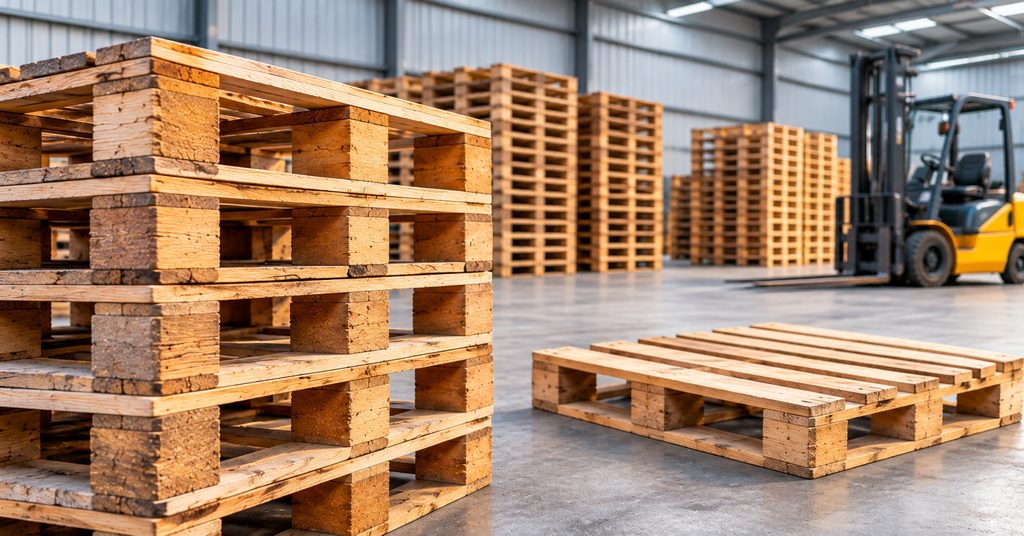
Reconditioned pallets are previously used pallets that have been inspected and restored for further use, depending on their condition and suitability.
Rather than disposing of pallets that have minor damage or wear, suitable pallets can undergo repairs and refurbishment to restore their functionality.
The process may include:
- Inspecting timber boards and structural components.
- Replacing broken or damaged boards.
- Repairing loose or weakened sections.
- Checking the overall stability and usability.
- Sorting pallets according to their condition and intended application.
Not every used pallet can be reconditioned. Pallets with significant structural damage may need to be recycled or removed from circulation.
Why Are Businesses Choosing Reconditioned Pallets?
There are several reasons why businesses are considering reconditioned pallets as part of their supply chain operations.
1. A More Cost-Effective Pallet Solution
Pallet procurement is a recurring expense for businesses that handle large quantities of goods. Choosing reconditioned pallets can provide a more economical alternative to purchasing new pallets, depending on the required specifications and pallet condition.
For warehouses, manufacturers and distribution centres, reviewing the cost of new and reconditioned pallets can help identify opportunities to manage purchasing budgets without compromising operational requirements.
2. Supporting Sustainable Business Operations
Sustainability is becoming an important consideration for businesses across Australia.
Reconditioning helps extend the useful life of existing timber pallets, reducing the need to discard reusable materials prematurely. It also supports better resource utilisation by keeping suitable pallets in circulation.
Businesses looking to improve their waste management practices can consider pallet reuse, refurbishment and recycling as part of their broader sustainability initiatives.
3. Suitable for Everyday Warehouse Operations
Reconditioned pallets can support a variety of commercial applications, depending on their specifications, condition and load requirements.
Common applications include:
- Warehouse storage and inventory management.
- Retail stock movement.
- Manufacturing and production facilities.
- Distribution and freight handling.
- Commercial storage and transportation.
Selecting the correct pallet is essential. Businesses should consider load capacity, dimensions, forklift access and compatibility with warehouse racking systems before ordering.
4. Better Management of Surplus Pallets
Businesses frequently accumulate unused pallets after receiving stock, unloading deliveries or completing distribution activities.
Instead of allowing reusable pallets to occupy valuable warehouse space, businesses can arrange collection and assess whether the pallets can be reused, repaired or recycled.
This helps maintain organised storage areas while supporting a more efficient pallet management process.
What Types of Reconditioned Pallets Are Available?
Choosing the right pallet depends on the products being handled and the operational requirements of the business.
Common pallet options include:
Australian Standard Pallets
Measuring 1165 × 1165 mm, Australian Standard pallets are widely used in Australian warehousing, retail distribution and transport operations. They are available in light-weight and heavy-weight options.
Block Pallets
Block pallets feature a design that provides four-way forklift entry, making them suitable for various warehouse and freight-handling applications.
Euro Pallets
Euro pallets generally measure 1200 × 800 mm and are used in businesses that work with European pallet formats and international supply chains.
American Pallets
American pallets typically measure 48 × 40 inches and are used in warehouse operations and freight environments that require this pallet format.
Used Plastic Pallets
Plastic pallets offer an alternative to timber pallets for applications where reusable plastic construction and particular handling or hygiene requirements are preferred.
Availability, condition and specifications should be confirmed before ordering.
How to Choose the Right Reconditioned Pallet Supplier
Finding a reliable pallet supplier is important for maintaining consistent warehouse operations.
Before choosing a supplier, businesses should consider the following factors:
1. Pallet Quality and Inspection
Check whether pallets are inspected and sorted according to their condition before being supplied.
2. Range of Pallet Options
Choose a supplier that can offer different pallet types and sizes to suit your business requirements.
3. Bulk Supply Capabilities
Businesses with regular pallet requirements should look for suppliers who can support larger orders and ongoing supply arrangements.
4. Delivery and Collection Services
A supplier offering both pallet delivery and unwanted pallet collection can make pallet management easier.
5. Experience and Customer Support
Working with an experienced supplier can help businesses identify suitable pallet options and manage their ongoing requirements.
Make a Smarter Choice for Your Pallet Requirements
Reconditioned pallets offer businesses an opportunity to manage procurement costs, extend the useful life of timber resources and support more responsible material management.
Whether you need pallets for warehouse storage, freight transportation or regular distribution operations, choosing the right pallet type and supplier can make a difference to your daily operations.
If your business is looking for reliable reconditioned pallets in Sydney or NSW, A2Z Pallets can help you find suitable pallet solutions.
