
Timber pallets are an essential part of Australia’s supply chain, supporting industries ranging from warehousing and manufacturing to retail, agriculture, and logistics. Known for their strength, affordability, and versatility, timber pallets remain one of the most widely used pallet solutions across the country.
However, one question businesses often ask is: How long do timber pallets actually last in Australian conditions?
The answer depends on several factors, including the quality of the pallet, how frequently it’s used, the type of load it carries, and the environment it’s exposed to. Australia’s climate can vary dramatically from hot, dry summers to humid coastal conditions making proper pallet selection and maintenance even more important.
In this guide, we’ll explore the average lifespan of timber pallets, the factors that influence their durability, and how businesses can maximise their investment.
What Is the Average Lifespan of a Timber Pallet?
A well-manufactured timber pallet can last between 3 and 10 years, depending on how it is used and maintained.
Here’s a general guide:
| Usage | Estimated Lifespan |
| Single-use/export pallets | One shipment |
| Light warehouse use | 5–10 years |
| Daily warehouse operations | 3–7 years |
| Heavy industrial use | 2–5 years |
| Repaired timber pallets | Varies depending on repairs |
Many timber pallets remain in circulation for years because damaged components can often be repaired or replaced, extending their service life significantly.
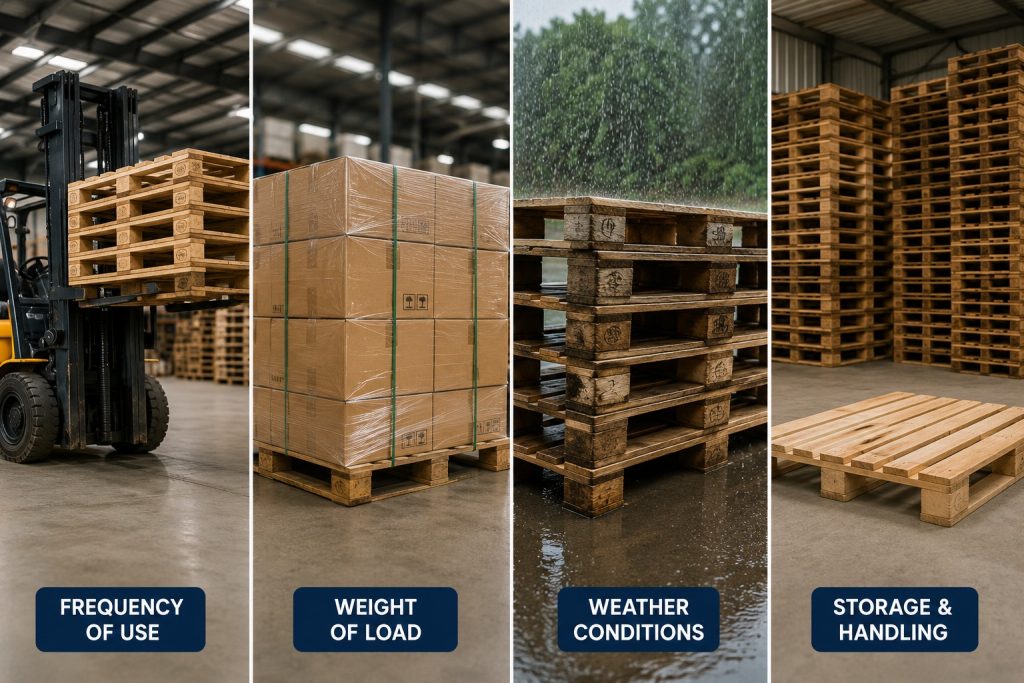
Factors That Affect the Lifespan of Timber Pallets
1. Quality of Timber
Not all timber pallets are made the same.
High-quality hardwood pallets generally offer greater strength and durability than pallets made from lower-grade or softer timber.
Premium timber is less likely to crack, split, or warp under repeated use, making it a better long-term investment for businesses with demanding operations.
2. Frequency of Use
The more frequently a pallet is handled, the faster it experiences wear and tear.
Pallets used daily in busy warehouses are subjected to:
- Constant forklift handling
- Heavy loads
- Stacking and unstacking
- Frequent transportation
Over time, these activities naturally reduce the pallet’s lifespan.
Conversely, pallets used occasionally for storage or light-duty applications may remain in excellent condition for many years.
3. Weight of the Load
Every pallet is designed with a specific load capacity.
Consistently exceeding this capacity can lead to:
- Broken deck boards
- Cracked stringers
- Loose nails
- Structural failure
Choosing the correct pallet for your products helps improve both safety and longevity.
4. Australian Weather Conditions
Australia’s diverse climate can impact timber pallets in several ways.
Heat
Extended exposure to high temperatures may cause timber to dry out, increasing the likelihood of cracks or splits.
Moisture
In humid or coastal areas, timber can absorb moisture, leading to:
- Swelling
- Warping
- Mould growth
- Faster deterioration
Rain
Pallets stored outdoors without protection are more susceptible to water damage, reducing their usable lifespan.
Whenever possible, pallets should be stored in dry, well-ventilated environments.
5. Handling Practices
Even the strongest pallet can be damaged by improper handling.
Common causes of damage include:
- Forklift impacts
- Dragging pallets across rough surfaces
- Uneven loading
- Dropping loaded pallets
- Overstacking
Training warehouse staff in correct pallet handling techniques can significantly reduce unnecessary damage.
6. Storage Conditions
Proper storage plays a major role in extending pallet life.
Timber pallets last longer when they are:
- Stored indoors
- Protected from rain
- Kept off damp ground
- Stacked evenly
- Stored in well-ventilated areas
Poor storage conditions can accelerate timber deterioration and increase repair costs.
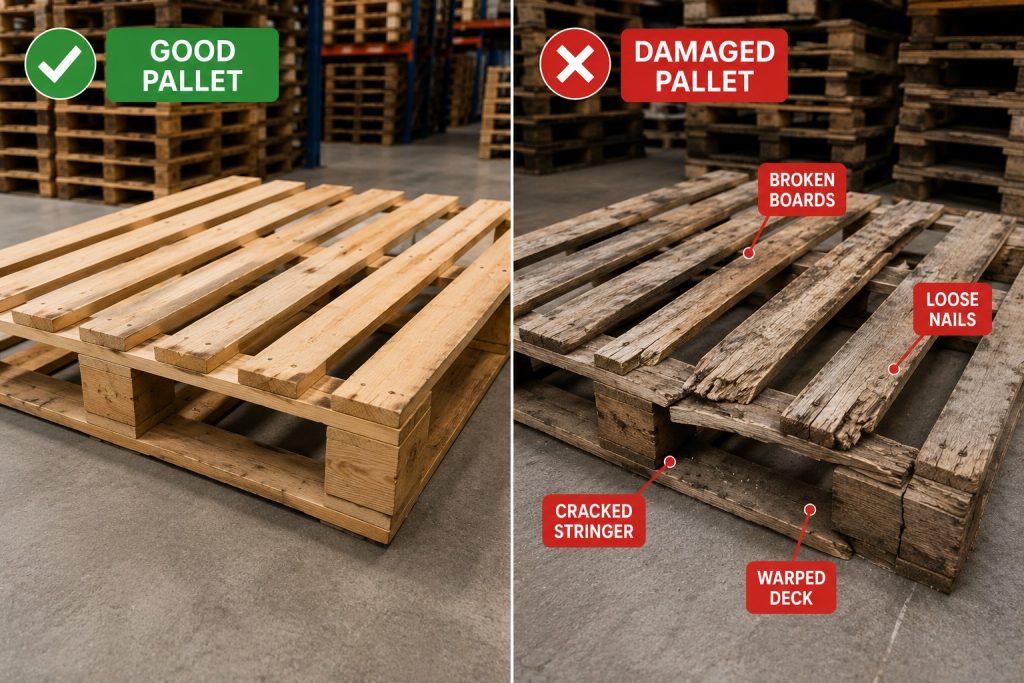
Signs That a Timber Pallet Needs Replacement
Regular inspections help identify pallets that are no longer safe to use.
Replace or repair pallets if you notice:
- Broken deck boards
- Cracked stringers
- Missing timber sections
- Loose or protruding nails
- Severe warping
- Rot or mould
- Structural instability
Using damaged pallets increases the risk of product damage, workplace injuries, and equipment issues.
Can Timber Pallets Be Repaired?
One of the biggest advantages of timber pallets is their repairability.
Unlike many alternative pallet materials, damaged timber pallets can often be restored by replacing broken boards or reinforcing structural components.
Repairing pallets offers several benefits:
- Lower replacement costs
- Reduced waste
- Longer pallet lifespan
- Improved sustainability
Routine maintenance can keep quality timber pallets in service for many additional years.
Are Recycled Timber Pallets Durable?
Yes. High-quality recycled timber pallets can provide excellent performance for many businesses.
Professionally refurbished pallets are inspected, repaired where necessary, and tested to ensure they meet operational requirements.
For businesses looking to balance performance with affordability, recycled timber pallets offer an excellent solution while supporting environmentally responsible practices.
Tips to Extend the Life of Timber Pallets
Simple maintenance practices can make a significant difference.
1) Avoid Overloading
Always use pallets within their recommended weight capacity.
2) Handle with Care
Ensure forklift operators lift pallets correctly to minimise impact damage.
3) Store Indoors
Whenever possible, keep pallets protected from harsh weather.
4) Inspect Regularly
Identify minor issues before they become major structural problems.
5) Repair When Necessary
Replacing damaged boards early can prevent complete pallet failure.
6) Rotate Inventory
Using pallets evenly helps distribute wear and extends the life of your pallet fleet.
Timber Pallets vs Plastic Pallets: Which Lasts Longer?
Plastic pallets generally have a longer lifespan because they are resistant to moisture, insects, and rot.However, timber pallets remain the preferred choice for many Australian businesses due to their:
- Lower upfront cost
- High load capacity
- Easy repairability
- Availability in custom sizes
- Sustainability through recycling
The right option depends on your industry, operational requirements, and budget.
Why Choosing a Reliable Pallet Supplier Matters
The lifespan of your pallets begins with the quality of their construction.
Working with an experienced supplier ensures you receive pallets manufactured to meet Australian industry standards and suited to your specific application.
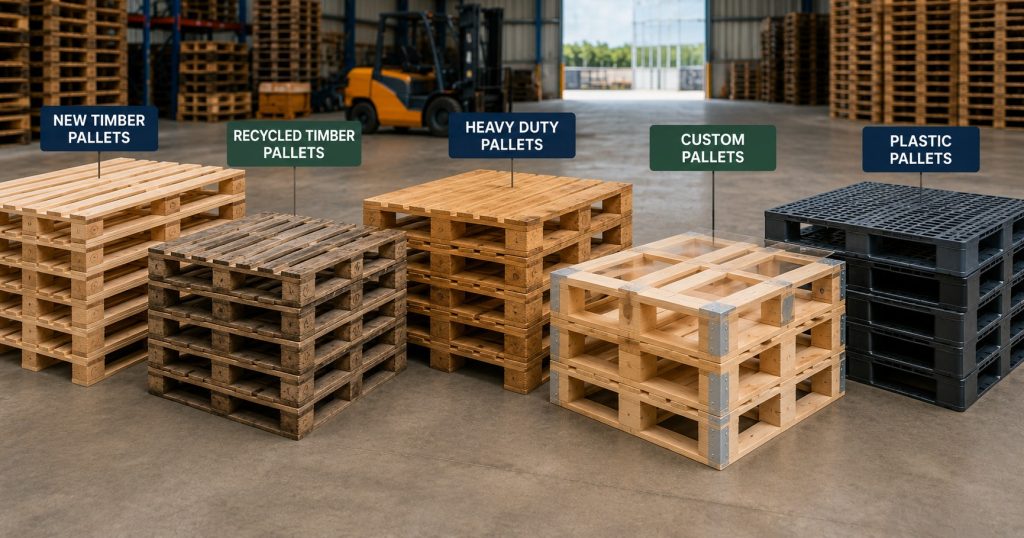
A trusted supplier can also recommend:
- New timber pallets
- Recycled timber pallets
- Custom pallet sizes
- Heavy-duty pallets
- Export pallets
- Pallet repair and replacement options
Choosing the right pallet from the outset helps reduce long-term operating costs and improve efficiency across your supply chain.
Why Choose A2Z Pallets?
At A2Z Pallets, we supply high-quality timber pallet solutions for businesses across Sydney and Newsouthwales.
Our range includes:
- New timber pallets
- Recycled timber pallets
- Custom-made pallets
- Export pallets
- Heavy-duty industrial pallets
- Plastic pallets
Whether you need pallets for warehousing, manufacturing, logistics, or retail, our team can recommend the right solution to suit your operational needs.
Conclusion
The lifespan of a timber pallet depends on how it’s built, how it’s used, and how well it’s maintained.
In Australian conditions, a quality timber pallet can last anywhere from 3 to 10 years, with proper handling and regular maintenance significantly extending its service life.
By investing in durable pallets, storing them correctly, and repairing minor damage when needed, businesses can reduce costs, improve workplace safety, and maximise the value of every pallet.
If you’re looking for dependable timber pallet solutions, A2Z Pallets offers quality products backed by industry experience and reliable service.
Frequently Asked Questions
Most quality timber pallets last between 3 and 10 years, depending on usage, maintenance, and environmental conditions.
Yes, but prolonged exposure to moisture, rain, and extreme heat can shorten their lifespan. Proper storage helps maintain their condition.
Yes. One of the biggest advantages of timber pallets is that damaged boards and components can often be repaired or replaced.
Absolutely. Professionally refurbished recycled timber pallets offer excellent durability and are a cost-effective option for many businesses.
Store them indoors, avoid overloading, inspect them regularly, repair minor damage promptly, and ensure they are handled correctly during loading and transport.
